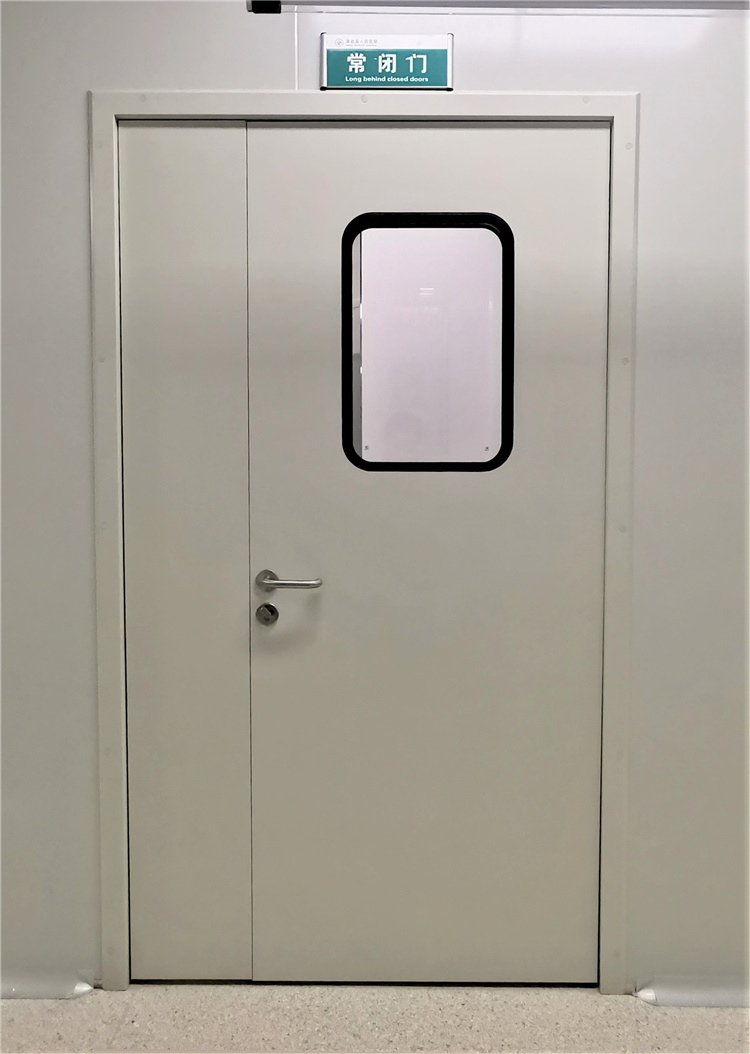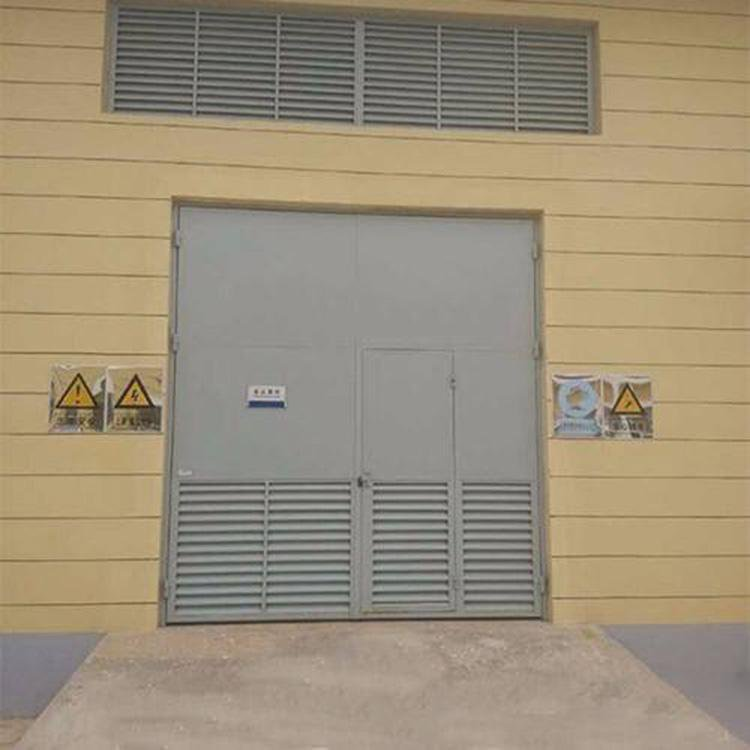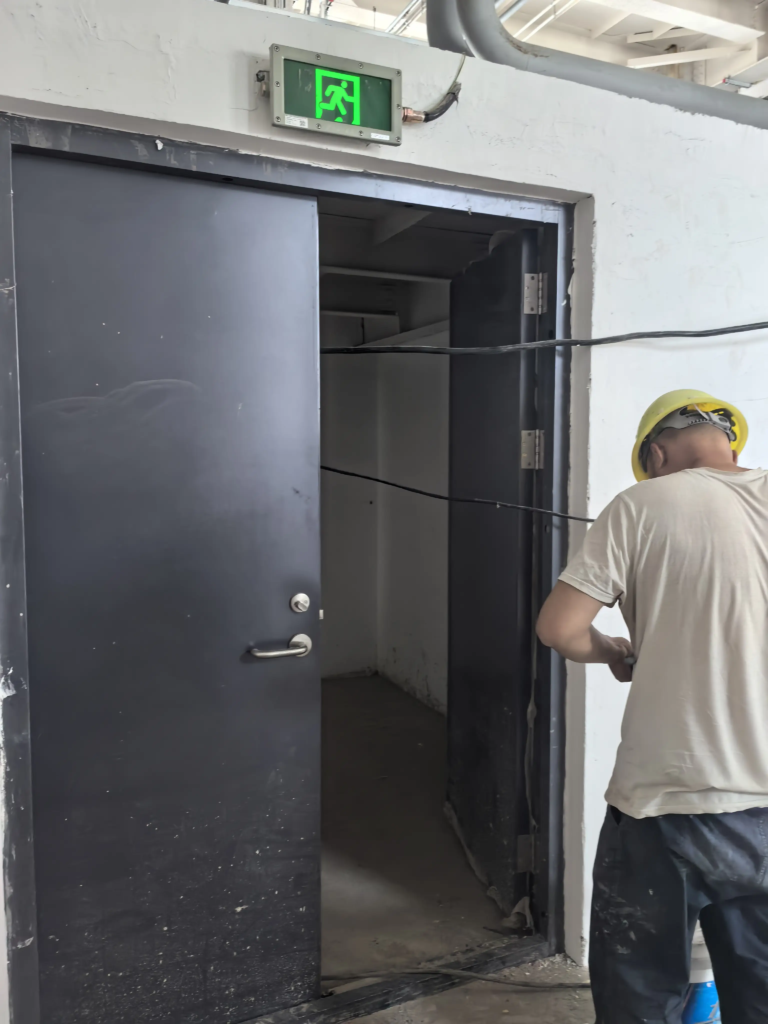
To help you avoid installation errors, navigate inspection requirements, and standardize daily use and maintenance practices, we have compiled the most frequently raised concerns from our engineering clients and fit-out contractors, along with detailed responses.
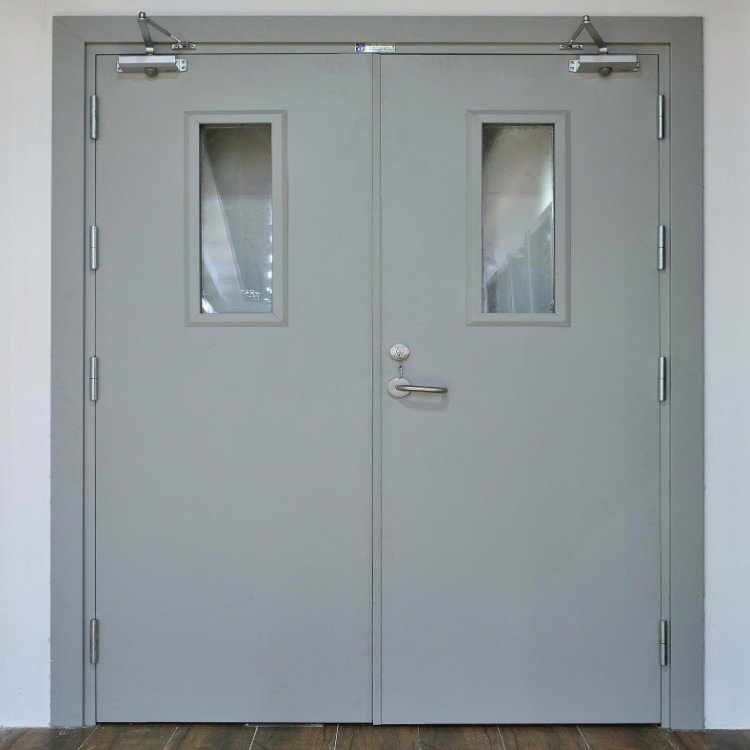
Q1: What are the mandatory on-site installation standards for fire doors? Which details are most prone to error?
① Frame Fixing: Fire door frames must be securely fixed to the wall structure. All gaps must be densely filled with fire-stopping materials. Direct application of sealant alone as a makeshift solution or leaving gaps unfilled is strictly prohibited, as this allows smoke and fire to penetrate and spread through the voids.
② Hardware Installation Requirements: All hardware—including door closers, sequence coordinators, intumescent seals, and locks—must be fully installed. Omitting components or failing to install door closers is not permitted. Double-leaf fire doors must be fitted with sequence coordinators to ensure compliant closing order.
③ Door Leaf Gap Standards: Gaps between the door leaf and frame, as well as between the door leaf and floor, must be strictly controlled. Excessive gaps may result in smoke and fire leakage, while insufficient gaps may cause operational sticking. Long Zheng Sheng products are supplied with marked installation standards for direct on-site reference.
Q2: What are the most common reasons for fire door failure during fire safety inspections?
① Missing Identification: The absence of fire safety identity labels, conformity certificates, or nameplate information on the door leaf, or illegible/incomplete markings, is among the most frequent causes of inspection rejection.
② Functional Failure: Normally closed fire doors that fail to self-close, defective door closers, door leaves that do not shut tightly, or double-leaf doors with incorrect closing sequence—all compromise the door’s fire and smoke containment function.
③ Unauthorized Modifications: Unauthorized modifications on site, including cutting door leaves, removing seals, blocking vision panels, or substituting non-original parts, will result in immediate inspection failure.
④ Documentation Mismatch: Product model or rating that does not match the design drawings, mixed use of Class A/B/C fire doors inappropriately, or incorrect specification for the location. Long Zheng Sheng provides complete product documentation with precise model matching to support full inspection compliance.
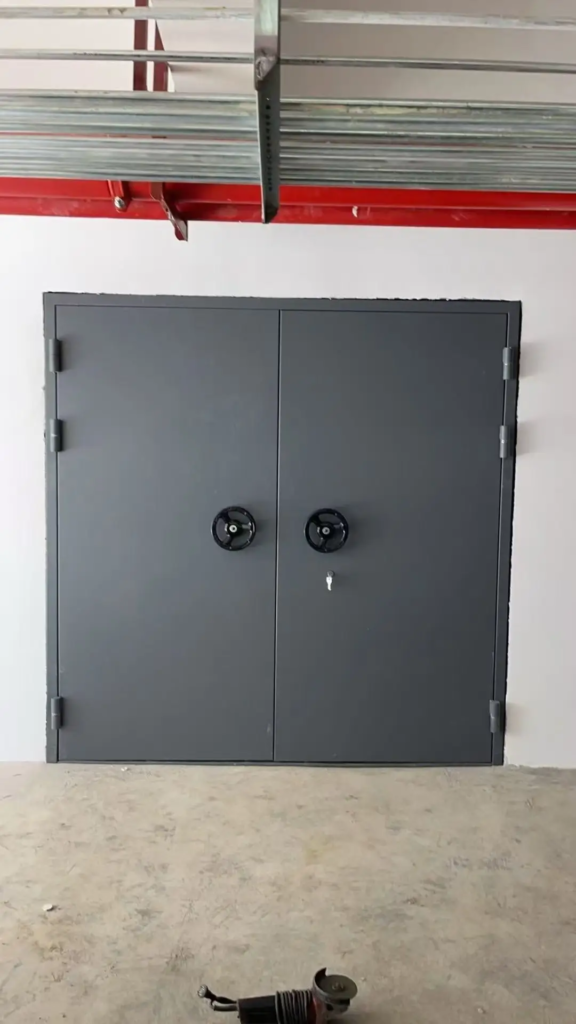
Q3: What common misconceptions in daily use can cause fire doors to lose their protective function?
① Permanently Wedging Doors Open: Many facilities prop fire doors open with wooden blocks or stones for convenience, completely nullifying their fire and smoke containment capability and allowing uncontrolled fire spread during an emergency.
② Obstructing with Stored Materials: Storing goods or debris around or in front of fire doors blocks the door leaf, preventing rapid opening for escape during emergencies and interfering with proper closure.
③ Unauthorized Removal of Hardware: Removing or tampering with door closers because they are obstructive or noisy completely disables the fire door’s automatic closing function.
④ Substituting Standard Doors: Some projects substitute standard interior doors for fire-rated doors to reduce costs. These have no fire resistance properties and present significant safety hazards.
Q4: What are the specific maintenance requirements for steel versus wooden fire doors?
① Steel Fire Doors: Priority should be given to anti-corrosion and rust prevention. Avoid prolonged moisture exposure or water immersion. Wipe surface stains with a dry cloth; promptly remove rust and touch up paint. Regularly check hinge screw tightness to ensure smooth operation.
② Wooden Fire Doors: Avoid prolonged sun exposure and moisture absorption that may cause warping. Do not strike the door leaf with force. Protect surface finishes from sharp objects. Regularly inspect intumescent seals for aging or detachment and replace promptly.
③ General Maintenance Points: Periodically test self-closing and retraction performance. Check locks and sequence coordinators for proper function. Keep door leaves clean and free from obstructions. Address minor faults promptly to prevent accumulation of issues that could lead to inspection failure.